Buy luftbefeuchter.eu ?
We are moving the project
luftbefeuchter.eu .
Are you interested in purchasing the domain
luftbefeuchter.eu ?
domain@kv-gmbh.de · 0541-91531010
Buy luftbefeuchter.eu ?
What distinguishes conditional probability from independent probability?
Conditional probability is the probability of an event occurring given that another event has already occurred. It takes into account the information about the occurrence of one event when calculating the probability of another event. Independent probability, on the other hand, is the probability of one event occurring without any influence from the occurrence of another event. In other words, conditional probability is influenced by the occurrence of a specific event, while independent probability is not influenced by any other event. **
What is a probability space in probability theory?
A probability space in probability theory consists of three components: a sample space, an event space, and a probability measure. The sample space is the set of all possible outcomes of an experiment, the event space is a collection of subsets of the sample space representing different events, and the probability measure assigns a probability to each event in the event space. Together, these components define the mathematical framework for analyzing the likelihood of different outcomes in a probabilistic setting. **


Similar search terms for Probability
Top-Angebote
Products related to Probability:
-
TrueLife AIR Diffuser D4 ultrasonic aroma diffuser and air humidifier 1 pcTrueLife AIR Diffuser D4, 1 pc, Diffusers without Refill Home Scents, Fragrance has the extraordinary ability to turn a house into a home and instantly create a cosy atmosphere. TrueLife AIR Diffuser D4 aroma diffuser without refill can add a lovely fragrance to any room and serve as a stylish accessory. Simply pick the best fragrance according to your taste and fill the diffuser. Characteristics: designer accessory that adds visual interest use your preferred refill to add the right scent to your room refills are easy to replace creates a cosy atmosphere How to use: Follow the instructions included.13,92 £*Shipping: 3,99 £Secure redirect to the provider
-
TrueLife AIR Diffuser D8 ultrasonic aroma diffuser and air humidifier 1 pcTrueLife AIR Diffuser D8, 1 pc, Diffusers without Refill Home Scents, Fragrance has the extraordinary ability to turn a house into a home and instantly create a cosy atmosphere. TrueLife AIR Diffuser D8 aroma diffuser without refill can add a lovely fragrance to any room and serve as a stylish accessory. Simply pick the best fragrance according to your taste and fill the diffuser. Characteristics: designer accessory that adds visual interest use your preferred refill to add the right scent to your room refills are easy to replace creates a cosy atmosphere How to use: Follow the instructions included.32,00 £*Shipping: 3,99 £Secure redirect to the provider
-
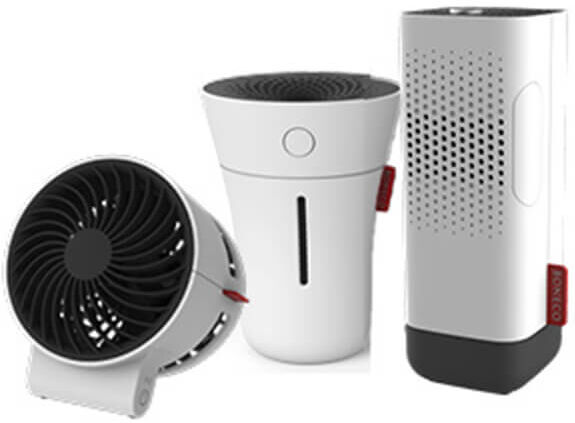
Boneco Travel Kit USB Air Purifier Fan and HumidifierThis Boneco Travel Kit, consists of: - The Boneco P50 Air Purifier /Ioniser: A small personal and portable purifier, designed to keeping your air pure wherever you are - whether working from home or on the move. - The Boneco U50 Personal Ultrasonic Humidifier: Elegant humidifier - for dry winter times, or over air conditioned hotel rooms and offices. - Boneco F50 USB Fan: The perfect personal, portable fan to keep you cool at your home, office or on the move.73,95 £*Shipping: 0,00 £Secure redirect to the provider


-
What are the rules of probability in probability theory?
In probability theory, the rules of probability govern how probabilities are calculated and combined. The rules include the addition rule, which states that the probability of either of two mutually exclusive events occurring is the sum of their individual probabilities. The multiplication rule is used to calculate the probability of two independent events both occurring. Additionally, the complement rule states that the probability of an event not occurring is 1 minus the probability of the event occurring. These rules are fundamental in determining the likelihood of different outcomes in various situations. **
-
How do you correctly calculate probability in probability theory?
In probability theory, the probability of an event occurring is calculated by dividing the number of favorable outcomes by the total number of possible outcomes. This can be represented as P(A) = (Number of favorable outcomes) / (Total number of possible outcomes). It is important to ensure that all possible outcomes are accounted for and that the favorable outcomes are correctly identified. Additionally, the probability of multiple events occurring can be calculated using the multiplication rule for independent events or the addition rule for mutually exclusive events. **
-
What is the probability in percent in probability theory?
In probability theory, the probability of an event is a measure of the likelihood that the event will occur. It is usually expressed as a number between 0 and 1, or as a percentage between 0% and 100%. A probability of 0% means the event is impossible, while a probability of 100% means the event is certain to occur. The probability of an event can be calculated using various methods, such as counting outcomes, using probability distributions, or applying statistical techniques. **
-
With what probability?
With what probability? The probability of an event occurring is a measure of how likely it is to happen, expressed as a number between 0 and 1. The probability of an event that is certain to happen is 1, while the probability of an event that is impossible is 0. Probabilities between 0 and 1 indicate the likelihood of an event occurring, with higher probabilities indicating a greater likelihood. **
What is the probability of a die in probability theory?
In probability theory, the probability of a die refers to the likelihood of a specific outcome occurring when rolling a fair six-sided die. Since there are six possible outcomes (numbers 1 through 6) and each outcome has an equal chance of occurring, the probability of rolling any specific number is 1/6 or approximately 16.67%. This means that when rolling a fair die, the probability of rolling any particular number is 1 out of 6. **
What is the expected value and probability in probability theory?
In probability theory, the expected value is a measure of the central tendency of a random variable. It represents the average value of a random variable over a large number of trials. The expected value is calculated by multiplying each possible outcome by its probability and then summing up these products. Probability, on the other hand, is a measure of the likelihood of a particular event or outcome occurring. It represents the ratio of the number of favorable outcomes to the total number of possible outcomes. Probability theory is used to analyze and predict the likelihood of different outcomes in various situations. **
Top-Angebote
Products related to Probability:
-
Anima The Wellness Rebel by Plantbased Pixie - Hardback Nutrition & Wellness Book - Evidence-Based Myth-Busting Guide to Healthy EatingThe Wellness Rebel by Plantbased Pixie is a non-fiction hardback book that offers an evidence-based approach to the wellness industry. Written by a food blogger and qualified nutritionist, it cuts through myths and misconceptions with science, wit, and warmth. The book champions balance and debunks fads like alkaline diets, raw food dogma, and superfood hype, while providing practical and sustainable ways to enjoy food without guilt, fear, or misinformation. Published by Anima (Head of Zeus), this book is suitable for adults and provides a much-needed perspective on what 'healthy' eating really means.9,49 £*Shipping: 2,99 £Secure redirect to the provider
-
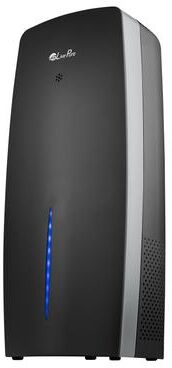
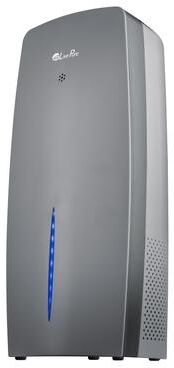
LivePure True HEPA Air Purifier & HumidifierEnjoy cleaner, healthier air and enhanced comfort with the LivePure LP460 Air Purifier & Humidifier Combo, specially designed to create a soothing environment in your bedroom, living room, or office.119,99 $*Shipping: 0,00 $Secure redirect to the provider
-
TrueLife AIR Diffuser D4 ultrasonic aroma diffuser and air humidifier 1 pcTrueLife AIR Diffuser D4, 1 pc, Diffusers without Refill Home Scents, Fragrance has the extraordinary ability to turn a house into a home and instantly create a cosy atmosphere. TrueLife AIR Diffuser D4 aroma diffuser without refill can add a lovely fragrance to any room and serve as a stylish accessory. Simply pick the best fragrance according to your taste and fill the diffuser. Characteristics: designer accessory that adds visual interest use your preferred refill to add the right scent to your room refills are easy to replace creates a cosy atmosphere How to use: Follow the instructions included.13,92 £*Shipping: 3,99 £Secure redirect to the provider
-
What distinguishes conditional probability from independent probability?
Conditional probability is the probability of an event occurring given that another event has already occurred. It takes into account the information about the occurrence of one event when calculating the probability of another event. Independent probability, on the other hand, is the probability of one event occurring without any influence from the occurrence of another event. In other words, conditional probability is influenced by the occurrence of a specific event, while independent probability is not influenced by any other event. **
-
What is a probability space in probability theory?
A probability space in probability theory consists of three components: a sample space, an event space, and a probability measure. The sample space is the set of all possible outcomes of an experiment, the event space is a collection of subsets of the sample space representing different events, and the probability measure assigns a probability to each event in the event space. Together, these components define the mathematical framework for analyzing the likelihood of different outcomes in a probabilistic setting. **
-
What are the rules of probability in probability theory?
In probability theory, the rules of probability govern how probabilities are calculated and combined. The rules include the addition rule, which states that the probability of either of two mutually exclusive events occurring is the sum of their individual probabilities. The multiplication rule is used to calculate the probability of two independent events both occurring. Additionally, the complement rule states that the probability of an event not occurring is 1 minus the probability of the event occurring. These rules are fundamental in determining the likelihood of different outcomes in various situations. **
-
How do you correctly calculate probability in probability theory?
In probability theory, the probability of an event occurring is calculated by dividing the number of favorable outcomes by the total number of possible outcomes. This can be represented as P(A) = (Number of favorable outcomes) / (Total number of possible outcomes). It is important to ensure that all possible outcomes are accounted for and that the favorable outcomes are correctly identified. Additionally, the probability of multiple events occurring can be calculated using the multiplication rule for independent events or the addition rule for mutually exclusive events. **
Similar search terms for Probability
-
TrueLife AIR Diffuser D8 ultrasonic aroma diffuser and air humidifier 1 pcTrueLife AIR Diffuser D8, 1 pc, Diffusers without Refill Home Scents, Fragrance has the extraordinary ability to turn a house into a home and instantly create a cosy atmosphere. TrueLife AIR Diffuser D8 aroma diffuser without refill can add a lovely fragrance to any room and serve as a stylish accessory. Simply pick the best fragrance according to your taste and fill the diffuser. Characteristics: designer accessory that adds visual interest use your preferred refill to add the right scent to your room refills are easy to replace creates a cosy atmosphere How to use: Follow the instructions included.32,00 £*Shipping: 3,99 £Secure redirect to the provider
-
Boneco Travel Kit USB Air Purifier Fan and HumidifierThis Boneco Travel Kit, consists of: - The Boneco P50 Air Purifier /Ioniser: A small personal and portable purifier, designed to keeping your air pure wherever you are - whether working from home or on the move. - The Boneco U50 Personal Ultrasonic Humidifier: Elegant humidifier - for dry winter times, or over air conditioned hotel rooms and offices. - Boneco F50 USB Fan: The perfect personal, portable fan to keep you cool at your home, office or on the move.73,95 £*Shipping: 0,00 £Secure redirect to the provider
-
LivePure True HEPA Air Purifier & HumidifierEnjoy cleaner, healthier air and enhanced comfort with the LivePure LP460 Air Purifier & Humidifier Combo, specially designed to create a soothing environment in your bedroom, living room, or office.119,99 $*Shipping: 0,00 $Secure redirect to the provider
-
What is the probability in percent in probability theory?
In probability theory, the probability of an event is a measure of the likelihood that the event will occur. It is usually expressed as a number between 0 and 1, or as a percentage between 0% and 100%. A probability of 0% means the event is impossible, while a probability of 100% means the event is certain to occur. The probability of an event can be calculated using various methods, such as counting outcomes, using probability distributions, or applying statistical techniques. **
-
With what probability?
With what probability? The probability of an event occurring is a measure of how likely it is to happen, expressed as a number between 0 and 1. The probability of an event that is certain to happen is 1, while the probability of an event that is impossible is 0. Probabilities between 0 and 1 indicate the likelihood of an event occurring, with higher probabilities indicating a greater likelihood. **
-
What is the probability of a die in probability theory?
In probability theory, the probability of a die refers to the likelihood of a specific outcome occurring when rolling a fair six-sided die. Since there are six possible outcomes (numbers 1 through 6) and each outcome has an equal chance of occurring, the probability of rolling any specific number is 1/6 or approximately 16.67%. This means that when rolling a fair die, the probability of rolling any particular number is 1 out of 6. **
-
What is the expected value and probability in probability theory?
In probability theory, the expected value is a measure of the central tendency of a random variable. It represents the average value of a random variable over a large number of trials. The expected value is calculated by multiplying each possible outcome by its probability and then summing up these products. Probability, on the other hand, is a measure of the likelihood of a particular event or outcome occurring. It represents the ratio of the number of favorable outcomes to the total number of possible outcomes. Probability theory is used to analyze and predict the likelihood of different outcomes in various situations. **
* All prices are inclusive of VAT and, if applicable, plus shipping costs. The offer information is based on the details provided by the respective shop and is updated through automated processes. Real-time updates do not occur, so deviations can occur in individual cases. ** Note: Parts of this content were created by AI.